
Curiosityarena
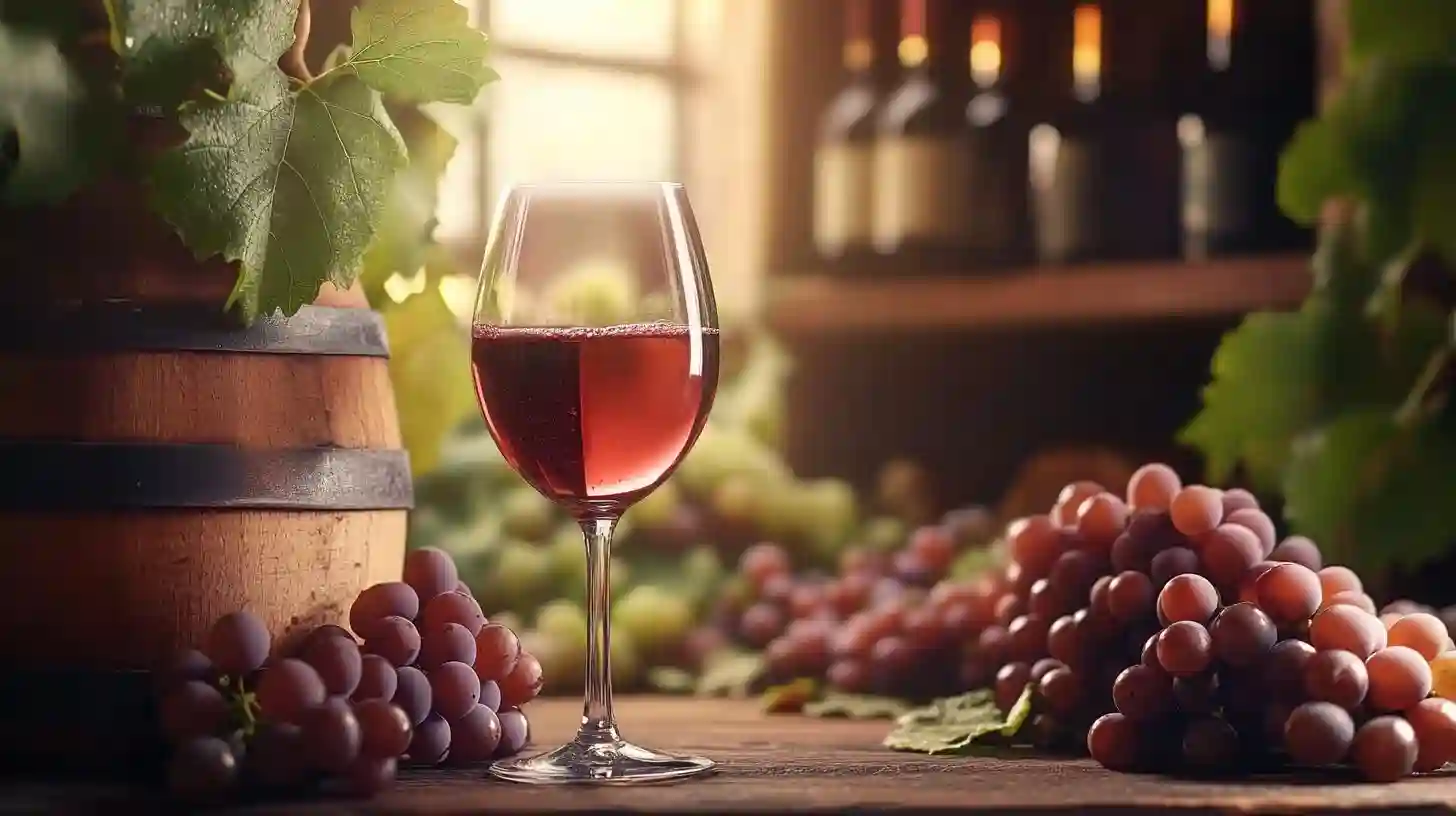
The allure of French wine culture is a tapestry woven from centuries of tradition, geography, and craftsmanship, captivating connoisseurs and casual drinkers alike. The defining essence of this vibrant heritage emanates from the diverse vineyards that dot the French landscape, each a reflection of the unique terroir that imbues the wines with characteristic flavors and aromas. Through a deep dive into the intricate world of French wine, one can appreciate not only the artistry involved in production but also the cultural legacy it represents.
At the heart of French wine culture lies the concept of terroir, a term that encapsulates the interaction between the soil, climate, landscape, and the grape variety. This intimate relationship significantly influences the identity and quality of the wine. In regions such as Bordeaux, Burgundy, and the Loire Valley, this connection is not merely appreciated; it is celebrated and respected. Each vineyard within these renowned regions is carefully nurtured, allowing the expression of the varietals to emerge based on their surroundings. The practice of emphasizing terroir has roots that extend back through history, where ancient Romans first introduced viticulture to the area. Their mastery of wine crafting laid the groundwork for what would become a sophisticated and nuanced industry.
Bordeaux, often lauded as the king of French wines, encompasses a range of sub-regions, each producing distinctive styles that cater to varied palates. Known for its prestigious red blends, Bordeaux typically features Cabernet Sauvignon, Merlot, and Cabernet Franc as its key varietals. The premier growth châteaux of Margaux, Lafite Rothschild, and Latour garner global acclaim, not just for their remarkable wines but also for their historical importance. The extensive classification system established in the eighteen hundreds exemplifies the commitment to quality and excellence. This intricate hierarchy of vineyards continues to influence global wine consumption patterns, creating an indelible mark on wine culture worldwide.
In contrast, Burgundy showcases an entirely different philosophy towards winemaking. Here, the focus shifts toward single-vineyard expressions, with Pinot Noir and Chardonnay standing as the dominant varietals. The intricate classification system in Burgundy, which includes terms like “Grand Cru” and “Premier Cru,” nurtures a deep appreciation for site specificity. The iconic Côte d'Or, where these coveted grapes are cultivated, serves as a testament to the complexity and depth achievable when winemakers commit to preserving the nuances of their land over centuries. The wines of Burgundy are celebrated for their ability to reflect the intricacies of the land, often described as a pure expression of the vintage and location.
Notably, the Loire Valley, renowned for its diverse climatic conditions, is often referred to as the “garden of France.” This region is a playground for grape varieties, producing everything from crisp Sauvignon Blancs to fragrant Chenin Blancs. The diversity is astonishing, making it an essential stop for those looking to experience the full breadth of French wine culture. Châteaux such as Château de Chambord and Château de Chenonceau not only represent architectural splendor but also preserve the vineyards that contribute to the region's rich oenological legacy. The connection between wine and the landscape is palpable, with many producers practicing sustainable and biodynamic farming techniques that respect the environment and promote biodiversity.
One cannot explore French wine culture without acknowledging Champagne, the sparkling wine that has infiltrated celebrations across the globe. This region, situated northeast of Paris, crafts wines that epitomize luxury and refinement. The meticulous method known as Méthode Champenoise is central to the production of authentic Champagne, where secondary fermentation occurs in the bottle. The unique blend of predominantly Pinot Noir, Pinot Meunier, and Chardonnay creates a flavor profile that is both consistent and deeply intricate. The majestic chalky soils, known for their ability to retain moisture, lend a distinctive minerality to the wines. Champagne houses like Moët & Chandon and Veuve Clicquot have become synonymous with elegance, yet many small growers are now gaining recognition for their high-quality offerings, further enriching the narrative of this celebrated wine.
The wine culture of France transcends beverages alone; it is intertwined with the country's culinary traditions, art, and social customs. French society places a high value on the sharing of meals and experiences, and wine is an integral part of this social fabric. Pairing wine with food is an art form in itself, with age-old practices suggesting ideal combinations to enhance flavors. Whether it is a robust Bordeaux alongside red meat or a crisp Sauvignon Blanc accompanying seafood, the careful consideration of pairing exemplifies the French dedication to gastronomy.
Attending a harvest festival in France reveals a community-oriented approach to winemaking. During autumn, towns across regions come alive as families and friends gather in vineyards to celebrate the harvest. These festivities highlight the cultural significance of wine production, allowing visitors and locals alike to engage with the history and community surrounding the vineyards. The friendships forged over shared barrels of wine and the laughter that resounds during these events form a vital part of the legacy that continues to thrive today.
Moreover, French wine culture is deeply embedded in philosophy and art. Writers, poets, and artists have long been drawn to the vineyards' beauty, drawing inspiration from the landscapes and traditions surrounding wine. The works of Rabelais, who famously celebrated the pleasures of wine in his writings, exemplify this connection. Paintings by Impressionist masters like Monet capture the essence of the French countryside, complete with vine-covered hills and sunlit vistas, providing a visual representation of the intertwined destinies of art and winemaking in France.
Modern challenges have emerged for the French wine industry, including climate change, globalization, and shifting consumer preferences. The traditional practices must adapt to new realities. Many growers are now focusing on sustainable practices, recognizing that the health of the vineyards relies on a symbiotic relationship with nature. Organic and biodynamic certifications are on the rise as producers strive to stay relevant while staying true to the rich heritage from which they hail.
As the global market for wine continues to expand, France remains a cornerstone of quality and tradition. The commitment to craftsmanship, an exquisite understanding of terroir, and a rich tapestry of cultural significance ensure that French wines will remain at the forefront of the wine world for generations to come. Each bottle tells a story, a narrative infused with the passion of the people behind it and the earth from which the grapes are harvested.
Visiting the vineyards is an invitation to immerse oneself in this age-old tradition. Experiences range from tours that showcase the production process to tastings featuring rare vintages. Wine enthusiasts can engage directly with the producers who pour their hearts into every bottle, gaining insights into the craft and philosophy that inform their work. These encounters foster a deeper appreciation for the complexities of each wine, creating lasting memories that connect drinkers to the land, the history, and the culture.
In exploring the depths and legacy of French wine culture, one uncovers not just a history of remarkable beverages but also a rich interplay of art, social custom, and environmental stewardship that continues to evolve. This intricate world of vineyards, passionate producers, and evolving traditions invites enthusiasts to delve deeper, allowing for a profound connection between the past and the present. As one raises a glass of fine French wine, they partake in a legacy that transcends borders, uniting people through shared experiences and the timeless joy of a well-crafted vintage.